
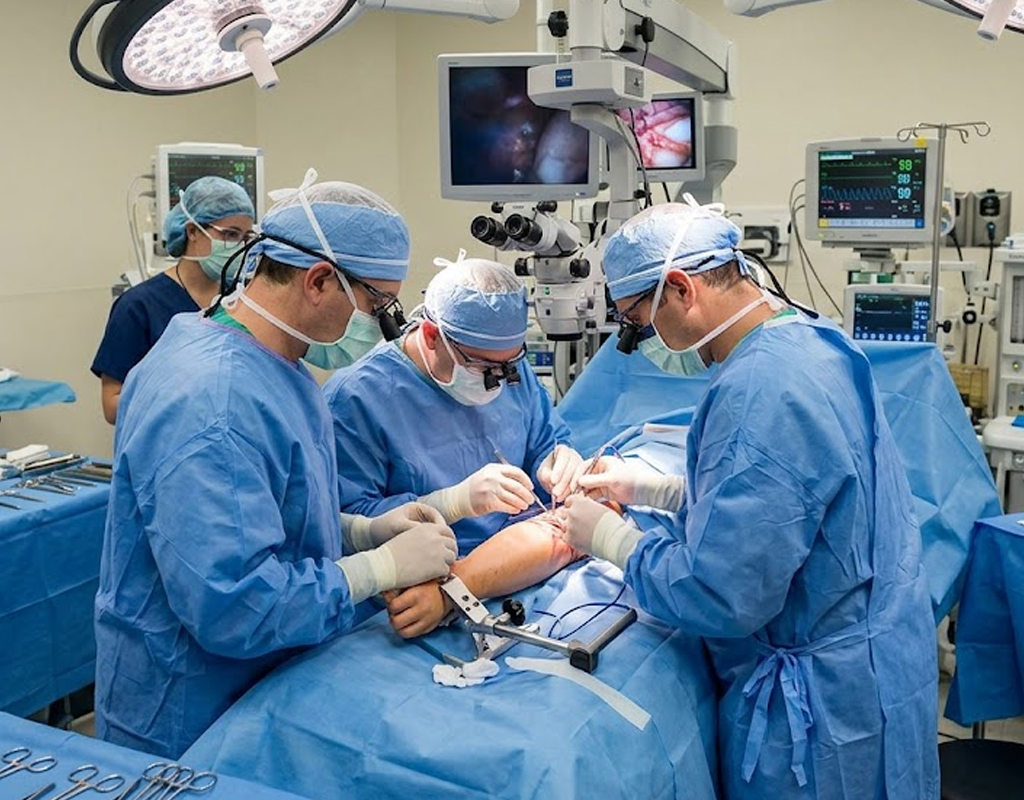
Not every transgender or gender-diverse person wants surgery, and there is no single standard surgical pathway. The role of consultation is to understand the individual’s goals, discuss appropriate options and alternatives, review readiness and medical factors, and build a safe plan without coercion or assumptions.
Planning may include medical history, examination, medication and hormone review, smoking cessation, anaesthetic assessment, mental-health or other professional input when clinically or legally required, fertility-preservation discussion, sexual and urinary goals, and confirmation that expectations are realistic. Requirements vary by procedure and applicable professional or institutional policy.
Consent should cover scars, wound problems, infection, bleeding, altered or lost sensation, contour asymmetry, sexual and urinary function, fertility, implant-related complications, thrombosis, possible staged surgery and need for revision. For genital procedures, hair removal, dilation, lifelong local care or urological follow-up may be relevant depending on technique.
Some operations can be performed independently, while complex genital reconstruction may require plastic surgery, urology, gynaecology, anaesthesia, endocrinology, mental-health support, nursing, physiotherapy and sexual-health expertise. Procedure availability and surgeon-specific experience should be stated transparently.
The website and clinic should use the patient’s chosen name and pronouns, restrict photography and publication to explicit consent, and protect identity and medical information. Images should never be used for promotion without separate, documented permission.
copyright © 2026, All rights reserved | Dr Saurabh Gupta